
 English
English
English français
 عربي
عربي Русский язык
 Español

Application

Hydrology
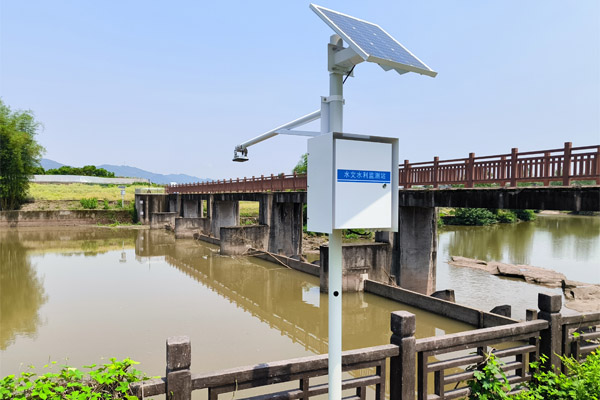
Hydrological monitoring is Anion’s core business. We provide radar level gauges, bubbler sensors and full-series flowmeters for rivers, reservoirs, irrigation canals and flood control projects. Millimeter-wave radar sensors realize millimeter-level water level measurement, free from interference of sediment, aquatic plants and floating objects. All field stations adopt off-grid solar power and wireless data transmission. The matched cloud platform supports flood early warning, water resource scheduling analysis and long-term data archiving. Our products are widely adopted by water conservancy departments nationwide for flood prevention, drought relief and river ecological governance.

Hydrology
Hydrological monitoring is Anion’s core business. We provide radar level gauges, bubbler sensors and full-series flowmeters for rivers, reservoirs, irrigation canals and flood control projects. Millimeter-wave radar sensors realize millimeter-level water level measurement, free from interference of sediment, aquatic plants and floating objects. All field stations adopt off-grid solar power and wireless data transmission. The matched cloud platform supports flood early warning, water resource scheduling analysis and long-term data archiving. Our products are widely adopted by water conservancy departments nationwide for flood prevention, drought relief and river ecological governance.
Tool Management
Add temperature sensors to ultra-high frequency RFID chips, customize electronic tags that are suitable for various environments, paste them on the surface of key nodes that are prone to heating in power transmission high-voltage substations and medium and low voltage distribution facilities, or embed them in conductor joints. Use an RFID ultra-high frequency reader with an Android system to read and analyze the temperature data in real-time from the electronic tags, set warning lines according to the actual temperature values that need to be monitored, and emit sound and light alarms, take photos, and transmit information to the cloud system to remind power maintenance personnel to follow up operations when the temperature is above or below the warning line.


Contact

4/F, Bldg.1B, Nanshan Ind. Park,
No.21 Yunzhu Rd, Yubei Dist, Chongqing
Scan QR code & Chat with us

Copyright © Anion


 English
 عربي
عربي
 Русский язык
 Français
 Español

